
 By Yamal
The Nature of Chance in Casino Games
In the world of gambling, chance plays a crucial role that cannot be ignored. Every game in a casino is designed with randomness at its core, ensuring that outcomes are unpredictable. For instance, when it comes to games like slots or roulette, the outcomes rely heavily on random number generators and spinning wheels, which players often explore at online pokies australia to find their favorites. Players may develop strategies, but the inherent unpredictability means that no approach guarantees success. This element of chance is what makes casino games exciting, as players are continually engaged by the potential for sudden wins and losses.
Moreover, the influence of luck is particularly evident in games that require little to no skill, such as lottery-style games. In these circumstances, results are purely a matter of luck rather than player actions. This aspect often leads to a more relaxed form of entertainment where individuals can participate without the pressure of needing expertise. The allure of hitting a jackpot or drawing the right card invites people from various walks of life, reinforcing the idea that fortune can favor anyone, regardless of skill level.
Additionally, the stochastic nature of casino games contributes to their overall unpredictability. Even seasoned gamblers can find themselves on losing streaks, as luck can shift dramatically and unexpectedly. This uncertainty makes it difficult to quantify a player’s true skill level because luck can overshadow strategic decisions made in the heat of the moment. As such, while skill may enhance the gaming experience, it is ultimately luck that dictates the fate of players at casinos.
The Role of Skill in Casino Games
While luck undeniably impacts outcomes in the casino, skill does have its place, especially in certain games such as poker and blackjack. In these games, a player’s decisions can influence the odds and outcomes significantly. For example, a skilled poker player can read opponents and make calculated bets that maximize their chances of winning. However, even in these games, the element of luck cannot be completely dismissed, as the cards drawn or dealt can dramatically affect the game’s flow.
Furthermore, players may believe that skill can help to mitigate the effects of bad luck. They may spend hours studying strategies, practicing their techniques, and learning about probability to gain an edge. However, even the most skilled player can experience a series of unfortunate events due to the randomness of the deck or the actions of other players. In this sense, the impact of luck on outcomes often outweighs the benefits gained from honed skills.
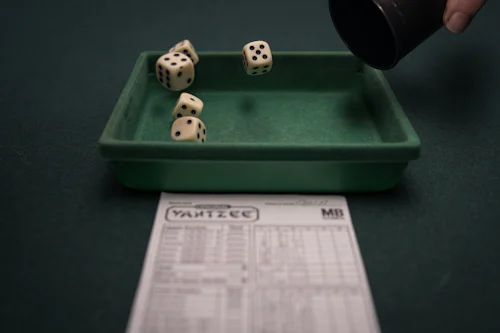
Ultimately, while skill can improve a player’s performance, it does not provide the guarantees that luck does. Players may exit the casino feeling victorious after a night of successful plays, but they are often acutely aware that their success was partly due to fortunate circumstances. This coexistence of skill and luck creates a dynamic atmosphere in casinos, reminding players that while they can control some aspects, others remain firmly in the realm of chance.
The Psychological Aspect of Luck
The psychological implications of luck in gambling are profound and contribute to how people perceive their experiences in casinos. Many players enter the casino with a sense of optimism, believing that luck is on their side. This ‘lucky’ mindset can influence behavior, encouraging players to take risks they might otherwise avoid. The thrill of a seemingly lucky streak can create a euphoric atmosphere that keeps players engaged and invested in their games, regardless of the actual skill involved.
Furthermore, the concept of ‘luck’ can sometimes lead to cognitive biases. For example, gamblers may tend to remember lucky wins more than they do their losses, leading to an exaggerated perception of their own abilities. This can create an illusion of skill, where players attribute their successes to their own understanding of the game rather than luck’s fickle hand. In turn, this can lead to continued gambling behavior even in the face of repeated losses, as players chase the high of past victories.
Additionally, the role of superstitions in gambling highlights the psychological importance of luck. Many players engage in rituals or carry lucky charms, believing these actions can influence their success. Such behaviors show that luck is not just a random occurrence but an integral part of the gambling experience that intertwines with personal beliefs and emotions. This acknowledgment of luck’s role in casinos underscores why it is often regarded as more decisive than skill in determining outcomes.
The House Edge and Its Relation to Luck
The concept of the house edge is fundamental to understanding the relationship between luck and skill in casinos. The house edge is the built-in advantage that casinos have over players, ensuring profitability over the long term. This aspect means that, regardless of a player’s skill level, the odds are always slightly in favor of the house. While skilled players can reduce the house edge through tactics, they still cannot completely eliminate the element of luck that impacts each game.

The house edge underscores the reality that luck ultimately governs the short-term outcomes of players. For example, in games like roulette, while players may rely on strategies to pick numbers, the random spinning of the wheel will always dictate the result. The house edge ensures that, over numerous plays, the casino is likely to profit, irrespective of individual players’ skills. Thus, luck plays a crucial role in the immediate outcome, while skill becomes increasingly irrelevant in the broader gambling context.
This inherent design of casino games leads to the idea that luck can be both a friend and a foe. Players may experience lucky breaks that make them feel as if they can overcome the house edge, but this perception can be fleeting. Ultimately, the interplay between the house edge and luck creates a unique environment in which spontaneous fortune can lead to both despair and delight. This dynamic illustrates why understanding luck’s role is essential for anyone looking to engage in casino activities.
Understanding Casino Dynamics Through Luck
To fully grasp the dynamics of casinos, one must appreciate the role that luck plays across various games and player experiences. This understanding fosters a more realistic perspective for gamblers, enabling them to approach gaming with a balanced mindset. Recognizing that luck often dictates outcomes can help players manage their expectations, allowing for a more enjoyable experience that focuses on entertainment rather than solely on winning.
Moreover, this recognition also invites players to explore the social aspects of gambling. Many people enjoy the camaraderie found in casino settings, where the thrill of chance is shared among players. This social element highlights that while individuals may gamble for money, the communal experience of luck can be just as valuable. Celebrating wins, irrespective of the skill level, reinforces the notion that luck is a shared experience within the walls of the casino.
Furthermore, understanding luck’s dominance can inform how casinos market their games and promote experiences. By showcasing the unpredictable nature of gambling and emphasizing that anyone could win, casinos can attract a broader audience. This strategy encourages players to join in, drawn by the possibility of a life-changing win derived from mere luck. Thus, the interplay of luck and skill not only informs individual player experiences but also shapes the overall atmosphere within the casino environment.